- posted: Sep. 10, 2024
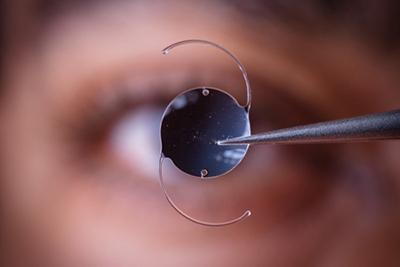
Lens surgery is a transformative procedure designed to restore clear vision by replacing the eye’s natural lens with an artificial one. Lens implants are for individuals experiencing cataracts, where the lens becomes cloudy, leading to blurred vision, glare, and difficulty seeing at night. However, lens surgery can also benefit those with severe refractive errors that glasses or contact lenses can’t correct.
Who should consider lens surgery? If you find that your vision is affecting your daily life—whether wrestling to read, drive, or enjoy activities you love—this might be the right step. It’s especially crucial to discuss lens surgery if you’ve been diagnosed with cataracts or if traditional vision correction methods no longer meet your needs.
It’s time to talk to Dr. James Ronk or Dr. Julie Soto at Tulsa Eye Associates if you notice changes in your vision or think you might need surgery. Dr. Ronk and Dr. Soto bring a wealth of experience and a compassionate approach to patient care. They evaluate your eye health, discuss your vision goals, and guide you through the best options to ensure a successful outcome.
What To Expect During Lens Implant Surgery
Lens implant surgery, also known as lens replacement or intraocular lens (IOL) surgery, is a transformative procedure designed to improve vision by replacing the eye’s natural lens with an artificial one. This surgery treats cataracts or significant refractive errors, such as severe nearsightedness or farsightedness.
Before the surgery for lens implants, your eye doctor will conduct a thorough eye exam to assess your vision and determine the best lens type for your needs. You may have to avoid certain medications or make adjustments to your routine. On the day of the surgery, you’ll receive anesthetic eye drops or mild sedation to ensure comfort. The procedure is typically quick, lasting around 15 to 30 minutes. Your surgeon will make a small incision in your eye, remove the cloudy or damaged lens, and insert the new, clear lens. Patients express minimal discomfort, and many describe the experience as straightforward.
After the surgery, expect to follow a few simple guidelines for optimal healing. Your doctor will provide eye drops to prevent infection and reduce inflammation. Avoid strenuous activities and protect yourself from potential irritants. Most people notice an improvement in their vision within a few days, with full recovery taking a few weeks. Regular follow-up appointments ensure your new lens is functioning well and your vision continues to improve.
Visit Tulsa Eye Associates To Achieve Your Vision Goals
Visit Tulsa Eye Associates for eye exams, treatments for vision issues, or corrective surgery—like lens implants—for optimal vision and comfort. Please explore our website to learn about the conditions we treat and the services provided. Experience clearer vision and greater freedom with lens implants. Schedule your consultation today. You can book an appointment with Dr. Ronk or Dr. Soto at Tulsa Eye Associates by calling (918) 492-8455.
Contact Us
Our Location
Tulsa Eye Associates
6465 South Yale, Suite 215
Tulsa, OK 74136
(918) 494-0102